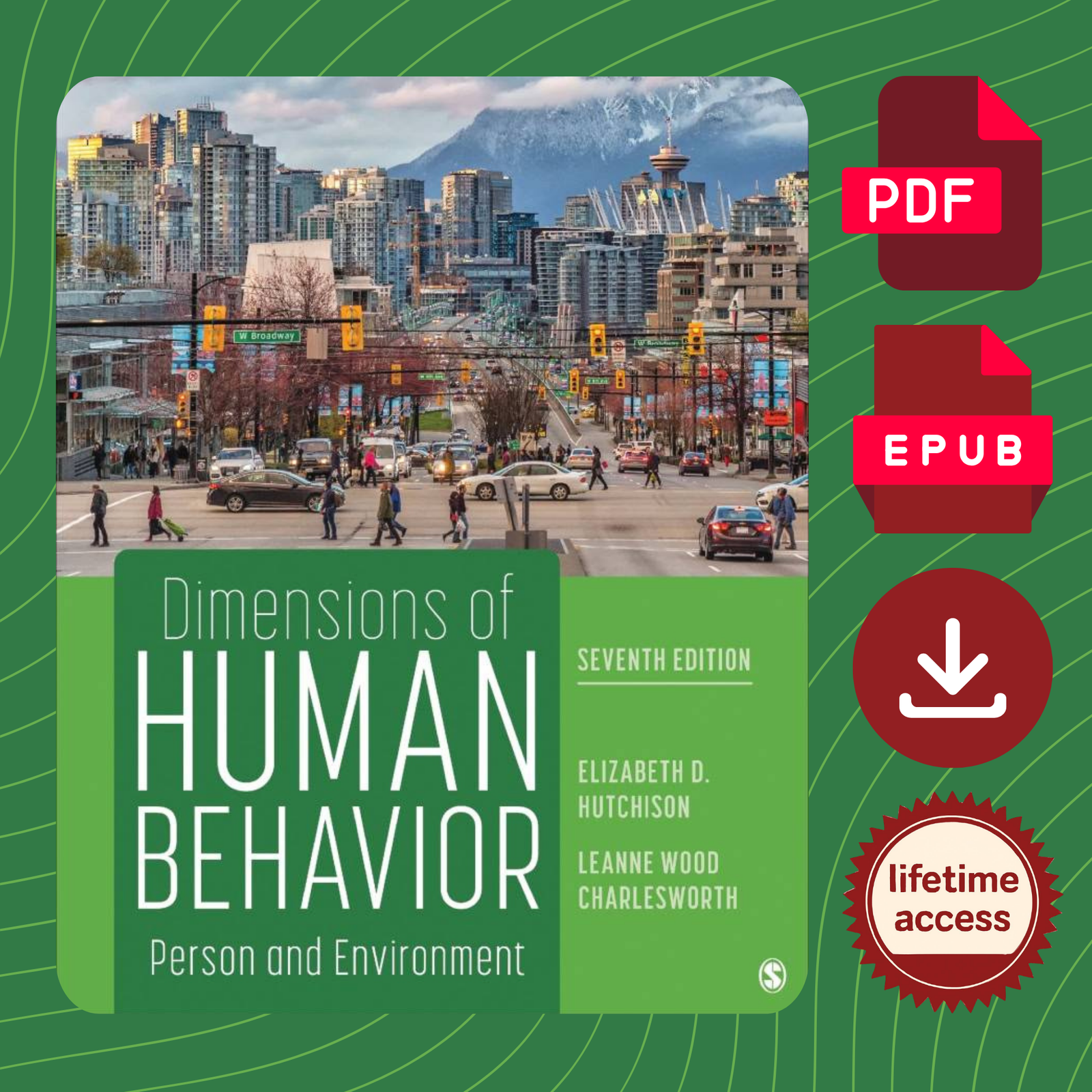
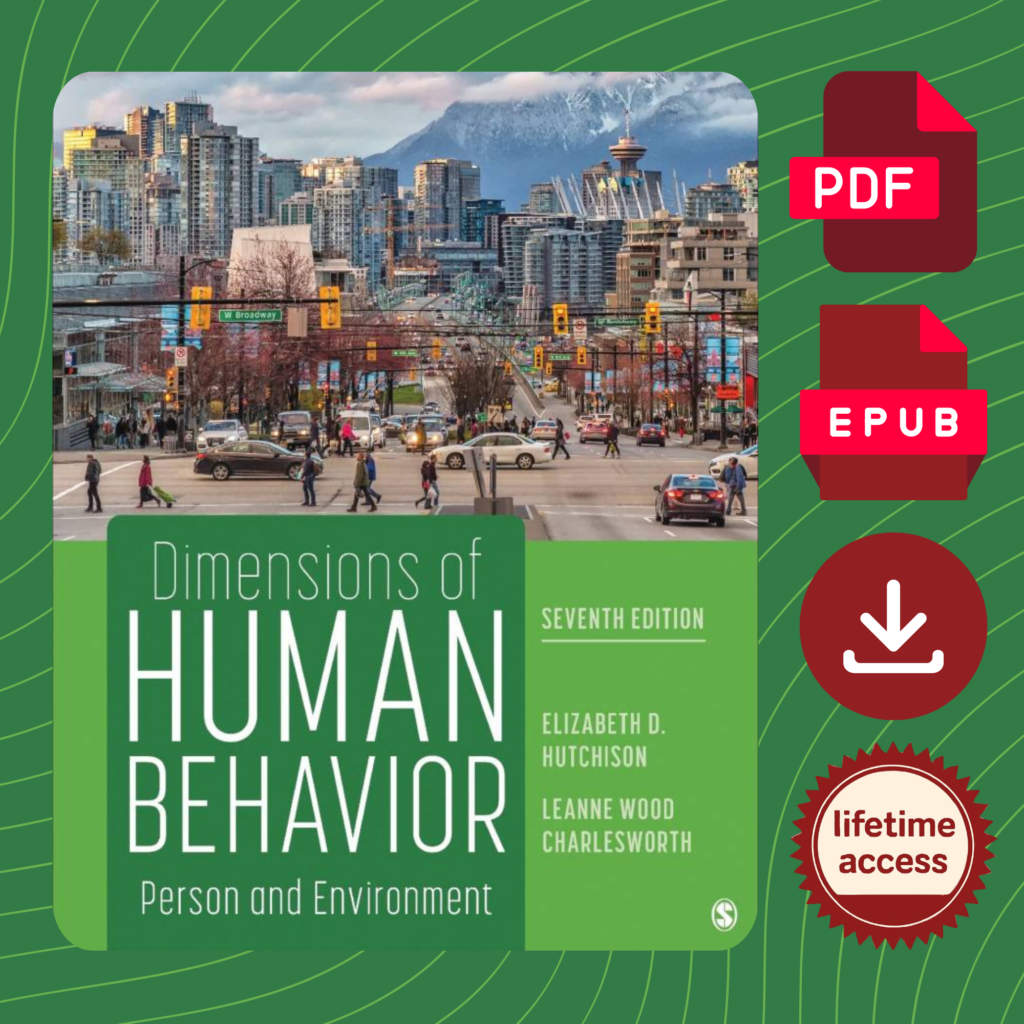
Dimensions of Human Behavior: Person and Environment (7th Edition) – The Essential Guide to Understanding Human Development

Understanding the relationship between people and their environments is essential for students and professionals working in social work, psychology, healthcare, education, and human services. Human behavior is influenced by many interconnected factors, including individual experiences, relationships, communities, culture, and social conditions.
Dimensions of Human Behavior: Person and Environment (7th Edition) is an important resource for readers who want to develop a deeper understanding of how people interact with the environments around them. By exploring human development from a multidimensional perspective, the book can help students connect individual behavior with broader social and environmental influences.
Table of Contents
- Understanding Human Behavior and the Environment
- The Person-in-Environment Perspective
- Why Is This Book Important for Students?
- Key Dimensions of Human Behavior
- Human Development Across the Life Course
- The Influence of Social and Cultural Environments
- Who Can Benefit From This Book?
- Final Thoughts
- Get the Book
Understanding Human Behavior and the Environment
Human behavior is influenced by much more than individual characteristics. The people around us, the communities where we live, and the social systems we interact with can all affect our experiences and development.
The person-in-environment perspective encourages students to consider both the individual and the surrounding environment when trying to understand human behavior. This approach is especially relevant to social work and other professions that focus on supporting individuals, families, and communities.
The Person-in-Environment Perspective
The person-in-environment perspective recognizes that individuals and their environments are constantly connected. A person’s behavior, choices, and development can be influenced by family relationships, education, employment, economic conditions, culture, and community resources.
Understanding these connections can help students develop a broader view of human behavior. Instead of focusing only on individual characteristics, they can also examine the external circumstances that may contribute to a person’s experiences and challenges.
Why Is This Book Important for Students?
Students studying social work and related fields need a strong foundation in human behavior and development. They may eventually work with people from different backgrounds and with a wide range of needs.
Learning how individual and environmental factors interact can help students develop critical-thinking skills and better understand complex situations. This knowledge can also provide a useful foundation for future professional practice.
Key Dimensions of Human Behavior
Human behavior can be examined through several interconnected dimensions. These may include biological, psychological, social, cultural, and environmental influences.
Biological Influences
Biological factors can affect physical development, health, aging, and overall human functioning. These influences may interact with other dimensions throughout a person’s life.
Psychological Influences
Emotions, thoughts, personality, cognitive development, and individual experiences all contribute to human behavior. Psychological factors can also be influenced by relationships and environmental circumstances.
Social Influences
Family, friends, schools, workplaces, and communities play important roles in shaping human development. Social relationships can influence identity, behavior, opportunities, and overall well-being.
Cultural Influences
Culture influences beliefs, values, traditions, identity, and social expectations. Understanding cultural differences is essential for professionals who work with diverse individuals and communities.
Environmental Influences
Economic conditions, housing, education, healthcare access, social policies, and community resources can have a significant impact on people’s lives. Examining these factors can provide a more complete understanding of human behavior.
Human Development Across the Life Course
Human development is a continuous process that takes place throughout the life course. People experience physical, psychological, and social changes from childhood through adulthood and later life.
Life transitions can create new opportunities and challenges. Education, employment, relationships, family responsibilities, aging, and other major events can influence how individuals experience different stages of life.
By examining development within the context of a person’s environment, students can gain a more complete understanding of the factors that influence human behavior over time.
The Influence of Social and Cultural Environments
The environment in which a person lives can have a powerful influence on their development and opportunities.
Individuals may experience very different outcomes depending on their access to education, healthcare, financial resources, supportive relationships, and safe communities. Cultural expectations and social structures can also influence how people understand themselves and interact with others.
For students and professionals in social work and human services, considering these factors can be an important part of understanding individual and family experiences.
Who Can Benefit From This Book?
Dimensions of Human Behavior: Person and Environment (7th Edition) may be useful for:
- Social work students
- Social work educators and instructors
- Psychology students
- Counseling students
- Human services professionals
- Healthcare students and professionals
- Students studying human development
- Professionals working with individuals and families
- Readers interested in human behavior and social environments
The book can be particularly valuable for students who want to understand how personal development and environmental factors interact throughout the human life course.
Final Thoughts
Understanding human behavior requires more than examining the individual alone. People’s experiences are shaped by relationships, families, communities, culture, social systems, and the environments in which they live.
Dimensions of Human Behavior: Person and Environment (7th Edition) provides a useful framework for exploring these connections and developing a broader perspective on human development and behavior.
For students preparing for careers in social work, psychology, healthcare, counseling, and human services, understanding the relationship between individuals and their environments can provide an important foundation for future academic and professional success.
Get the Book
Looking for Dimensions of Human Behavior: Person and Environment (7th Edition)? Students and professionals can search for the book through authorized academic bookstores, libraries, educational retailers, and other legitimate sources.
Download or Purchase the Book
Book Title: Dimensions of Human Behavior: Person and Environment
Edition: 7th Edition
Subject: Human Behavior, Human Development, Social Work
Recommended For: Social Work Students, Psychology Students, Human Services Professionals, Healthcare Professionals, and Educators
Other Books :
- Dimensions of Human Behavior: Person and Environment (7th Edition) – The Essential Guide to Understanding Human Development
- The best One Dimensions of Human Behavior: The Changing Life Course (6th Edition) – The Essential Guide to Understanding Human Development
- The best Book : Nursing Ethics Across the Curriculum and Into Practice (6th Edition): The Essential Guide Every Nursing Student Needs